

When you source critical industrial equipment, the supplier's quality system is as important as the product itself. A pressure vessel, heat exchanger, or rotating machine procured from a supplier with no quality management discipline may be manufactured to the drawing — but without controlled processes, verified materials, and documented inspections, you have no assurance it will perform safely or reliably over its service life. ISO 9001:2015 is the internationally recognised signal that a supplier's processes — not just their products — are systematically controlled, audited, and continuously improved.
What ISO 9001:2015 Actually Covers
ISO 9001:2015 is a process-based quality management standard, not a product specification. It requires an organisation to identify its key processes, establish controls that ensure consistent outputs, monitor performance against objectives, and respond systematically to non-conformances and customer complaints. The 2015 revision added a risk-based thinking requirement — suppliers must proactively identify risks in their processes and establish controls before failures occur, rather than only reacting after problems arise. For a buyer, this means a certified supplier has formally thought through what can go wrong and put safeguards in place.
What Certification Actually Buys You
An ISO 9001:2015 quality management system means documented, repeatable processes for sourcing, verification, and delivery. For a buyer, that translates into traceability, consistent documentation, and fewer surprises during inspection and commissioning. When you receive equipment from an ISO 9001 certified supplier, you can expect a documented trail from raw material purchase order through incoming inspection, fabrication records, final inspection, and despatch — a paper chain that your own QA team can audit and that gives your insurance, regulatory, and commissioning engineers the evidence they need.
- Traceable materials with mill test certificates (MTCs) from approved vendors
- Incoming inspection records for all purchased components and raw materials
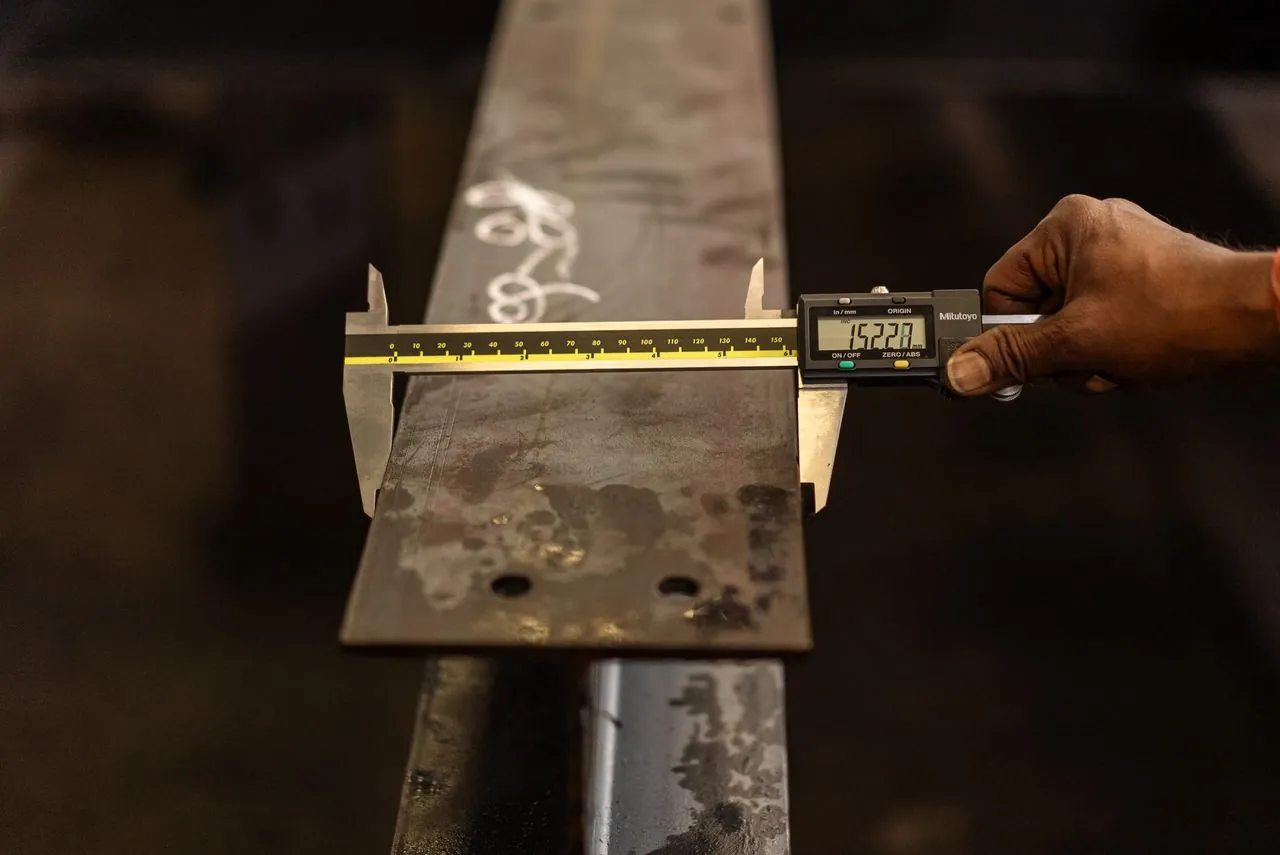
- In-process inspection and dimensional check records at defined hold points
- Final inspection and hydrostatic / functional test records before despatch
- Non-conformance reports (NCRs) with corrective actions for any deviations found
- Consistent, auditable processes — not dependent on the skill of individual personnel

Traceability: What It Means in Practice
Traceability means being able to link any component in a finished piece of equipment back to its material heat number, purchase order, supplier, and incoming inspection record. This capability matters enormously in the event of an in-service failure — if a tube in a heat exchanger develops a defect after 18 months, traceability allows the root cause to be established quickly (material defect, fabrication error, or service condition?) and a targeted corrective action to be implemented. Without traceability, the investigation stalls, other units from the same batch may be at risk, and the supplier has no way to demonstrate due diligence to the asset owner or insurer.
Supplier Qualification Under a QMS
ISO 9001:2015 requires certified organisations to evaluate and select external suppliers based on their ability to consistently provide conforming materials and services. This means an ISO 9001 certified equipment supplier maintains an approved vendor list (AVL), conducts periodic supplier qualification activities, and monitors supplier performance through incoming inspection data. For a buyer, this is significant: when you purchase equipment from a certified supplier, you are not just buying their quality processes — you are inheriting the benefit of their vendor qualification work as well.
The Difference Between Certified and Compliant
ISO 9001 certification is granted by an accredited third-party certification body (such as Bureau Veritas, Lloyd's Register, or TÜV) following a formal audit of the organisation's quality management system. Certification is not self-declaration — it is an independent assessment, renewed through annual surveillance audits and a full re-certification audit every three years. A supplier claiming to be 'compliant' with ISO 9001 without a third-party certificate has undergone no independent verification. Always request a copy of the certificate and verify its validity and scope directly with the issuing body.
- Request the ISO 9001 certificate — verify the issuing body is NABCB-accredited or internationally recognised
- Check the certificate scope covers the specific product category you are purchasing
- Confirm the certificate is current — check expiry date and surveillance audit history
- Ask whether their last surveillance audit raised any major non-conformances
- Visit the facility if the purchase value justifies it — a supplier confident in their QMS will welcome a vendor assessment
“You are not just buying a machine — you are buying the process that produced and verified it.”
— Energy Tech Solution
Energy Tech Solution is an ISO 9001:2015 certified supplier and an authorized partner for leading OEMs, combining quality discipline with engineering support across our full product range — from heat exchangers and cooling towers to dosing, pneumatics, and compressors. Every order is supported by a complete documentation package your QA team can verify before installation.